The Growing Concern of Microplastic Pollution
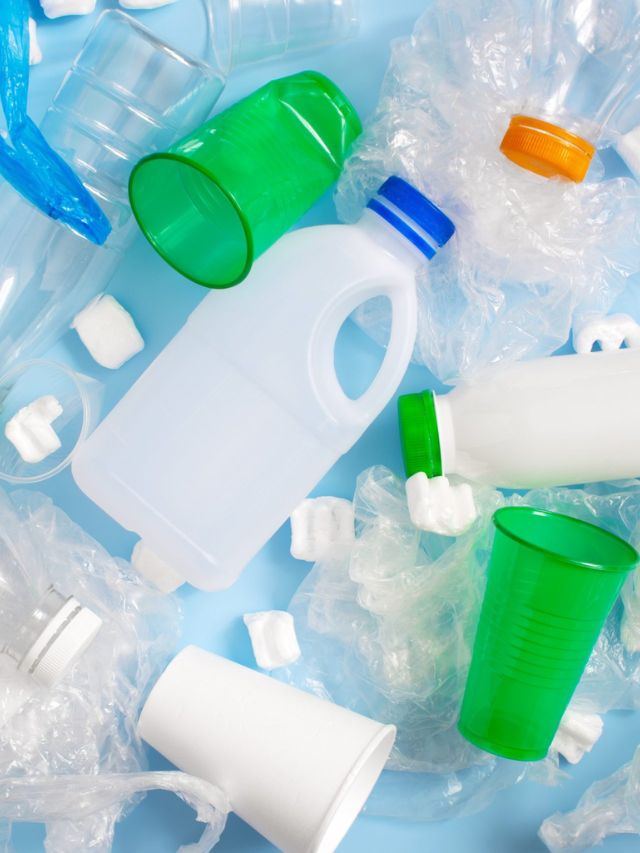
Plastic waste, particularly microplastics, has become an alarming environmental concern. These tiny plastic particles are now found in the most unexpected places—deep forests, remote mountains, and even vast deserts where human activity is minimal. The question that remains largely unanswered is: What happens to these microplastics after they are discharged into the environment, and how do they impact ecosystems?
Unanswered Questions: What is the True Impact of Microplastics?
Scientists have already discovered microplastics in the air, soil, and water, but their long-term effects on biodiversity, soil health, and even human health are still not fully understood. Studies have shown that microplastics can cause oxidative damage, DNA damage, and changes in gene activity, which are known risks for cancer development. Additionally, microplastics have been found in human breast milk and meconium, indicating exposure even before birth.
Challenges in Managing Dispersed Microplastics
If their impact is found to be severe, the next challenge will be determining how to manage them effectively. While solutions such as reuse, mechanical and chemical recycling, power generation, and incineration exist, One major challenge is retrieving microplastics that have already spread globally—how can we effectively remove them?
A Look at Polyethylene and Polypropylene: Major Contributors
A good starting point for tackling this issue is to examine the most commonly used plastics, such as polyethylene (PE) and polypropylene (PP). These materials dominate global plastic production, contributing significantly to microplastic pollution.
Exploring Alternatives: Biodegradable Plastics and Recycling Technologies
Exploring alternative materials, such as biodegradable plastics or bio-based polymers, could be a viable solution. However, alternatives alone will not be enough—stronger waste management strategies and advanced recycling technologies must also be considered.
Case Study: Microplastics in Human Tissues
A study led by toxicologist Matthew Campen from the University of New Mexico analyzed tissues from 52 deceased individuals and found microplastics in various organs, including the brain. The research, published in
Nature Medicine, found higher levels of microplastics in recent samples, indicating a growing environmental burden. The study found elevated microplastic levels in dementia patients but did not confirm a direct causal link to neurodegenerative diseases.T his finding underscores the need for further research to understand the potential health implications of microplastic accumulation in human tissues.
The Role of Policy and Industry in Tackling Microplastic Waste
Additionally, the role of policy and industry innovation cannot be ignored. Some governments have started regulating microplastics, such as banning microbeads in cosmetics, but larger systemic changes are needed. Businesses, especially in packaging and agriculture, must invest in sustainable product design and closed-loop recycling systems to minimize plastic leakage into the environment.
Ultimately, the fight against microplastic pollution requires a multidisciplinary approach—scientific research to understand their fate, engineering solutions to develop better recycling methods, and policy measures to enforce responsible plastic use. By addressing the problem at multiple levels, we can work toward a world where plastic waste does not become a permanent environmental hazard.
Recent studies have underscored the widespread presence of microplastics and their alarming implications for ecosystems and human health
Conclusion: The Future of Plastic Sustainability and PolyNext 2025
Addressing the challenges posed by microplastic pollution requires a multifaceted approach, encompassing scientific research, policy development, and industry innovation.
Events like the PolyNext Awards & Conference 2025, scheduled for May 7-8, 2025, serve as crucial platforms for stakeholders to collaborate on advancing plastic recycling, sustainability, and circular economy solutions. By fostering dialogue and sharing best practices, such conferences aim to bridge the gap between innovation and implementation, paving the way for a more sustainable future.
Collectively, through continued research, policy initiatives, and industry collaboration, we can develop effective strategies to mitigate the environmental and health impacts of microplastics, ensuring a healthier planet for future generations.