


The global trade of polymer waste is facing an unprecedented regulatory crackdown. For decades, the plastic recycling industry relied on cross-border shipping to balance supply and demand. Today, a complex web of environmental mandates, import bans, and shifting geopolitical priorities has transformed international logistics into a legal minefield.
For modern waste management firms, recyclers, and consumer brands, understanding these trade barriers is no longer just a compliance task—it is a core business strategy.
The Plastic Waste Export Crisis
The European Union has introduced revised waste-shipment rules that ban plastic waste exports to non-OECD countries starting November 2026. This follows China’s earlier National Sword Policy import ban, which completely redirected global plastic waste trade flows. Meanwhile, the Basel Convention amendments now require prior written consent from importing countries for most plastic scrap shipments .
These regulations share a common intent: stop wealthier nations from exporting their plastic pollution problems to developing countries. But the business impact is severe. Recycling companies that relied on exporting waste to countries with lower processing costs can no longer do so legally.
Dubai’s Bold Response: Leading the GCC
The UAE isn’t waiting for external pressure. Starting January 1, 2026, the UAE implemented a comprehensive ban on importing, producing, and trading single-use plastic products . This final phase expands restrictions to include plastic plates, cups, lids, cutlery, and food containers .
Dubai’s Zero Waste by 2041 roadmap emphasizes diverting waste from landfills through recycling, recovery, and reuse . The emirate now mandates waste segregation and reporting for specific waste streams, making compliance a strategic imperative rather than optional.
While the UAE leads on single-use bans, the broader GCC is taking a more ambitious approach.
The GCC’s Pivot to Circular Leadership
Rather than viewing these global trade restrictions as a dead end, the GCC is utilizing its massive petrochemical infrastructure to establish an independent, closed-loop polymer hub. By processing raw domestic waste into high-value, market-ready recycled polymers right at the source, regional players are completely bypassing cross-border scrap bans.
What Makes PLA Different
The UAE’s Ministerial Decision No. 380 of 2022 exempts plant-based polylactic acid (PLA) from the ban. PLA is fully compostable and biodegradable, recognized as an acceptable alternative to banned single-use items. This creates a clear market signal: conventional plastics face restrictions while biomaterials thrive.
Navigating the New Landscape
For businesses operating in the GCC and globally, three strategies are essential:
Build domestic recycling capacity – With exports blocked, countries must process waste locally
Shift to permitted alternatives – PLA and other certified bioplastics avoid restrictions
Implement compliance systems – Track waste streams, maintain documentation, and report as required
The OECD notes that international trade previously enabled economic efficiencies by moving plastic waste to countries with recycling advantages . Now those efficiencies must be rebuilt domestically.
The Bottom Line
Trade barriers are no longer just about economics—they are increasingly tied to environmental responsibility.Investigations have shown that some plastic waste collected for recycling in the UK was instead exported and later dumped or burned in Turkey (BBC).These loopholes in waste traceability are exactly what governments are now closing. As regulators tighten waste-traceability rules and strengthen Extended Producer Responsibility (EPR) requirements, such practices will face growing scrutiny and enforcement pressure.
As regulations on plastic waste trade and recycling continue to evolve,staying ahead requires more than just compliance—it demands the knowledge, partnerships, and insights only a dedicated industry platform can provide.
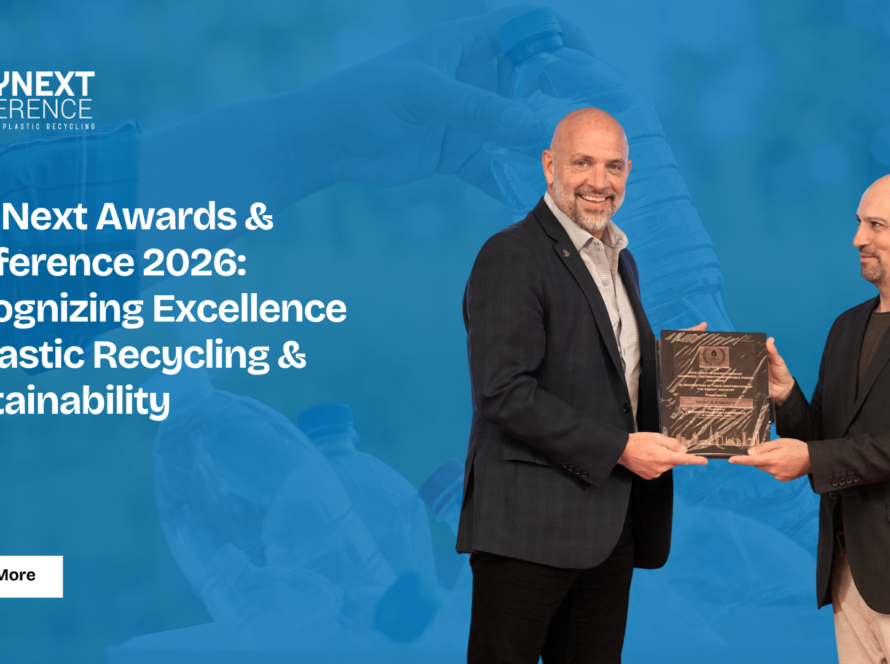
Join the Circular Solution at PolyNext Awards & Conference 2026
As regulations on plastic waste trade and recycling continue to evolve, PolyNext Conference 2026 in Dubai provides a vital platform for industry leaders to stay ahead of change. The conference brings together innovators, policymakers, recyclers, manufacturers, and sustainability experts to address the challenges and opportunities shaping the future of plastics—from navigating international trade restrictions to advancing circular economy solutions and compliance strategies.
Whether you are investing in domestic recycling infrastructure, exploring sustainable material alternatives, or strengthening regulatory compliance, PolyNext offers the knowledge, partnerships, and insights needed to succeed in a rapidly changing market.
Join the circular solution at PolyNext 2026 and help shape a more sustainable, closed-loop future for plastics. Register now at www.polynextconf.com.

 Reach us on WhatsApp