


Plastic pollution has become one of the world’s most pressing environmental challenges. As investors, regulators, and consumers demand greater accountability, companies are looking for practical ways to reduce their environmental impact. One solution gaining attention is plastic credits.
Similar to carbon credits, plastic credits allow businesses to finance verified plastic collection and recycling projects to help address their plastic footprint. While they do not replace direct reduction efforts, they can support broader sustainability goals and strengthen corporate Environmental, Social, and Governance (ESG) strategies.
What Are Plastic Credits?
A plastic credit is a transferable certificate that represents a specific quantity of plastic waste collected, removed, recycled, or processed through a verified project. In most programs, one plastic credit corresponds to one metric ton of plastic waste.
Organizations generate these credits through activities such as waste collection, recycling initiatives, river and coastal cleanups, and community-based waste management programs. Independent verification helps ensure transparency, accountability, and measurable impact.
Types of Plastic Credits
Waste collection credits fund projects that recover plastic before it reaches ecosystems—targeting riverbanks, coastlines, dumpsites, and communities with weak waste services. These programs often work with local collectors and community groups to increase recovery rates, reduce leakage, and create income opportunities.
Recycling credits support the processing of collected plastic into usable feedstock. They finance sorting, washing, and reprocessing operations or new recycling infrastructure to turn post-consumer waste into higher‑quality secondary raw materials, helping close material loops for manufacturers.
Examples of plastic credit initiatives can be seen worldwide. Plastic Bank works with collection communities to recover plastic waste from areas vulnerable to pollution, helping prevent plastics from reaching oceans while supporting local livelihoods. In India, Banyan Nation strengthens collection, sorting, and processing to produce higher‑quality recycled polymers for industry use.
Takeaway:Waste collection and recycling credits play complementary roles: collection prevents environmental leakage and delivers social benefits, while recycling credits build the supply of usable secondary materials—both are needed to scale a circular plastics economy.
How plastic credits support ESG goals
Environmental Impact
Plastic credits provide companies with a way to support immediate environmental action while they work toward reducing plastic use within their own operations. Funding collection and recycling projects helps prevent plastic leakage into ecosystems and supports resource recovery.
Social Impact
Many plastic recovery projects create employment opportunities in regions where waste management infrastructure remains underdeveloped. Well-designed programs can improve worker safety, increase income opportunities, and support better working conditions for waste collection communities.
Governance and Transparency
Verified plastic credit programs offer traceable data and independent auditing, helping organizations strengthen sustainability reporting and demonstrate accountability. As regulations evolve, transparent reporting mechanisms can support compliance and risk management efforts.
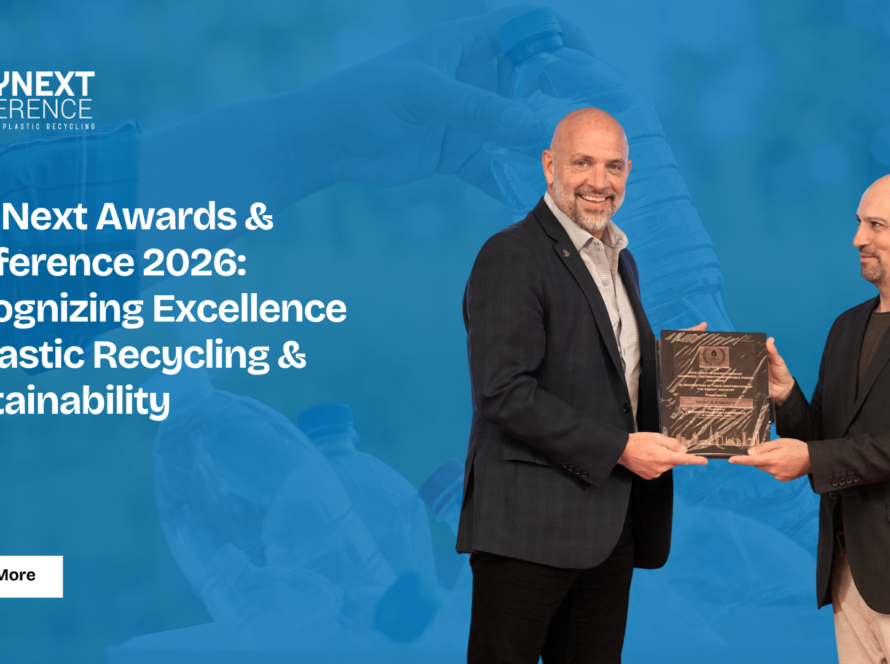
PolyNext Awards & Conference 2026 — shaping the future
At the PolyNext 2026, industry leaders, recyclers, policymakers, and brands will explore how plastic credits can complement reduction and recycling efforts to drive circularity. Discussions will focus on verification standards, scaling finance and infrastructure, and aligning credits with evolving regulations—critical for ESG teams seeking credible pathways to reduce plastic leakage.

 Reach us on WhatsApp