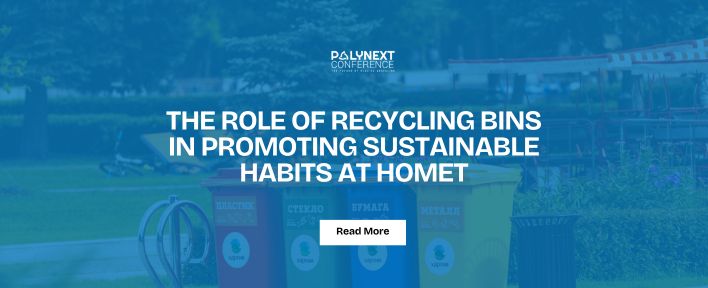
In the journey toward sustainability, small changes at home can lead to significant impacts on the environment. Recycling bins are one such change that can foster eco-friendly habits and make waste management more effective. By integrating recycling bins into your daily routine, you not only reduce waste but also contribute to a healthier planet.
Why Recycling Bins Matter
Recycling bins are more than just containers; they symbolize a commitment to sustainability. Here’s why they play a crucial role:
- Encouraging Waste Segregation:
Recycling bins make it easier to separate waste into categories such as plastic, paper, glass, and organic material. This simple act reduces the contamination of recyclable materials, ensuring they can be efficiently processed. - Raising Awareness:
When placed strategically, recycling bins serve as constant reminders to recycle. They encourage family members to think about waste disposal, sparking conversations and awareness about environmental responsibility. - Reducing Landfill Waste:
Properly using recycling bins ensures that recyclable materials don’t end up in landfills, where they can take decades or even centuries to decompose. This reduces greenhouse gas emissions and saves landfill space. - Promoting a Circular Economy:
Recycling supports the circular economy by allowing materials to be reused in the production of new items. This reduces the demand for raw materials and minimizes the energy required for manufacturing.
How to Use Recycling Bins Effectively
- Understand Local Recycling Rules:
Every community has its own recycling guidelines. Educate yourself about which materials are accepted and how they should be prepared before disposal. - Label Your Bins Clearly:
Use labels or color-coded bins to indicate what goes where. This reduces confusion and ensures that recyclable items are sorted correctly. - Place Bins Strategically:
Position recycling bins in convenient locations around your home, such as the kitchen, garage, or backyard. Accessibility encourages consistent use. - Involve the Family:
Make recycling a family activity. Teach children about its importance and involve them in sorting materials. This instills eco-conscious habits from a young age. - Clean Recyclables Before Disposal:
Rinse containers to remove food residue. This prevents contamination and makes the recycling process more effective.
Long-Term Benefits of Recycling Bins
- Cost Savings:
Recycling can lower waste collection costs and, in some regions, even generate income from recyclable materials. - Environmental Preservation:
By reducing the extraction of raw materials, recycling helps preserve forests, reduce mining activities, and conserve water resources. - Community Impact:
Widespread use of recycling bins inspires others to adopt similar habits, creating a ripple effect that benefits entire neighborhoods.
Conclusion
Integrating recycling bins into your home is a straightforward yet impactful step toward sustainability. By embracing this practice, you contribute to waste reduction, resource conservation, and environmental preservation. Let your home be the starting point for promoting sustainable habits, and watch how small actions can lead to a greener, cleaner future.
Whether you’re a seasoned recycler or new to the concept, the role of recycling bins in shaping eco-friendly habits is undeniable. Make the commitment today—for yourself, your family, and the planet.